Edge to caregiver — without sending a conversation to the cloud.
EchoSense is one platform with two devices and a shared philosophy: the AI that understands you runs on your own hardware. The cloud only coordinates accounts and caregiver sync — never the contents of a conversation.
Private by design
All conversational AI runs on the user's own device. The cloud backend only handles accounts, linking and caregiver sync — never the contents of a conversation.
Affordable on purpose
Built on commodity Raspberry Pi hardware and off-the-shelf parts — dramatically more affordable than commercial smart aids and trained guide dogs, and designed for emerging-market budgets.
Safety is unconditional
On the wearable, hazard detection is pure, isolated code that never imports the AI model. If everything else crashes, the user is still warned.
Benchmarked, never assumed
Every model and sensor is measured for latency, accuracy and power before it ships. 14 documented architecture decisions back every major choice.
One platform, end to end
Two on-device AI systems on the left and center; a thin coordination backend at the bottom. Conversation data never crosses into the cloud layer.
Echo 1 Wearable
Offline edge perception
- 200° Camera · TF-Luna LiDAR
- NEO-7M GPS · INMP441 Mic · PTT
- Raspberry Pi 5 + Hailo 40 TOPS
- YOLOv8n + LiDAR → Hazard → Alerts
- 6 isolated services · ZeroMQ · systemd
Safety never needs the LLM
iPhone App
On-device multimodal AI
- Spectrum Home · Echo Chat
- Regulation tools · Vitals
- ↑ Apple Watch HR · HRV · Stress
- Local AI server: MLX · Gemma 4 (4-bit)
- KV cache · Kokoro TTS · embeddings
0 bytes to the cloud
Caregiver Device
Consent-bounded view
- Live vitals · HRV analytics
- Location · wearable camera feed
- Chat · SOS alerts
- Real-time WebSocket sync
- Instant revocation on removal
Only with permission
Cloud Backend — FastAPI · PostgreSQL · Redis · MinIO
Auth · Linking · Chat · Content · WebSocket fan-out — coordination only, never conversation contents.
App — AI pipeline (per turn)
- 1ContextBuilder
- 2PromptPipeline (7 layers)
- 3CompanionOrchestrator
- 4MLX Gemma 4 (4-bit)
- 5StreamSanitizer
- 6ToolParser → ToolValidator
Echo 1 — safety pipeline
- 1200° Camera
- 2YOLOv8n @ Hailo (30 FPS)
- 3+ down-facing TF-Luna LiDAR
- 4Hazard Evaluator (clock · severity)
- 5Alert Manager
- 6Speaker — spoken warning
The full stack
| Mobile App | Flutter 3.9 · Dart · Riverpod 2 · GoRouter 14 |
| On-Device AI (App) | Apple MLX · mlx-vlm · Gemma 4 (4-bit, PLE-safe) · Kokoro TTS |
| Biometrics | Apple HealthKit · Apple Watch (Swift · EventChannel) |
| Local Storage | Hive (encrypted) · Drift (SQLite) · Keychain |
| Cloud Backend | FastAPI · PostgreSQL 16 · Redis 6 · MinIO · WebSocket |
| Auth & Security | Argon2id · JWT (15 min) · Refresh token (Keychain, 30 d) |
| Wearable Compute | Raspberry Pi 5 (16 GB) · Hailo AI HAT+ 40 TOPS |
| Wearable AI | YOLOv8n @ Hailo · SmolVLM2-500M (llama.cpp) · faster-whisper · Tesseract |
| Wearable Sensors | OV5647 ~200° camera · TF-Luna LiDAR · NEO-7M GPS · INMP441 mic |
| Wearable Architecture | ZeroMQ event bus · subprocess supervisor · systemd · FastAPI dashboard |
Built from off-the-shelf parts
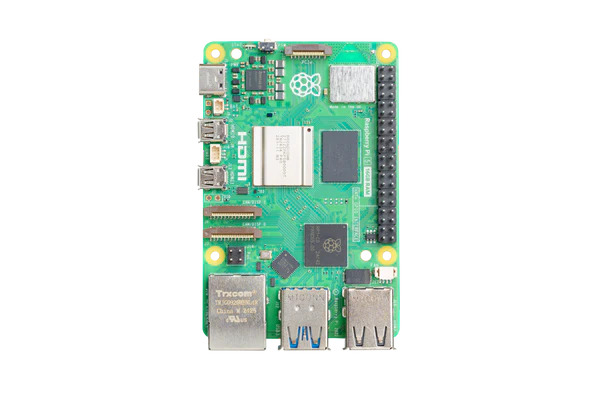
Raspberry Pi 5 (16 GB)
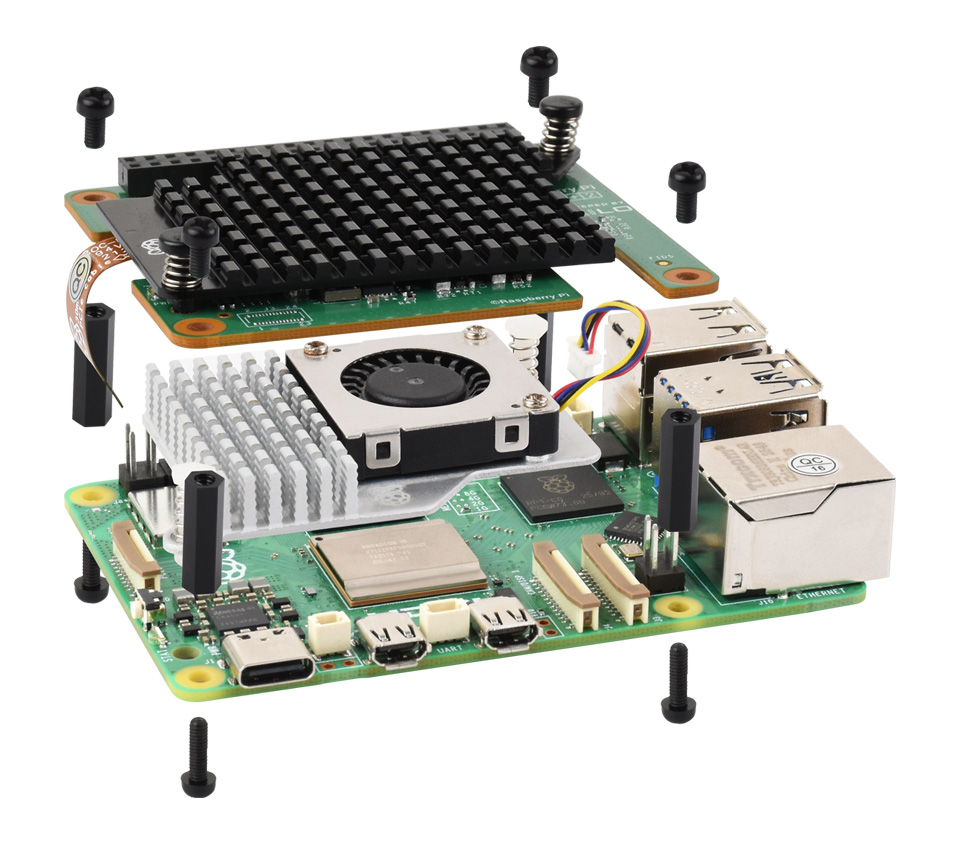
Hailo AI HAT+ 40 TOPS
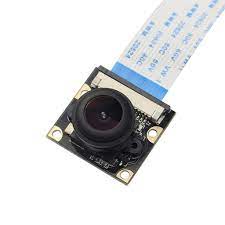
OV5647 ~200° camera
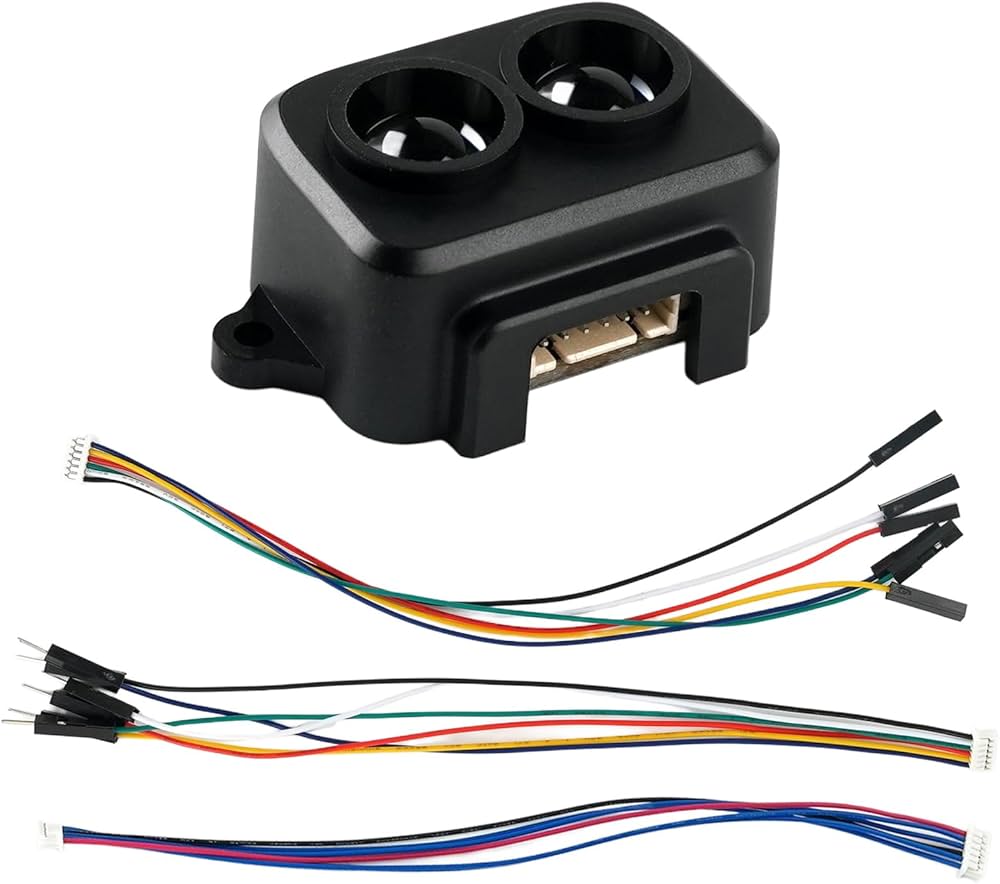
TF-Luna LiDAR
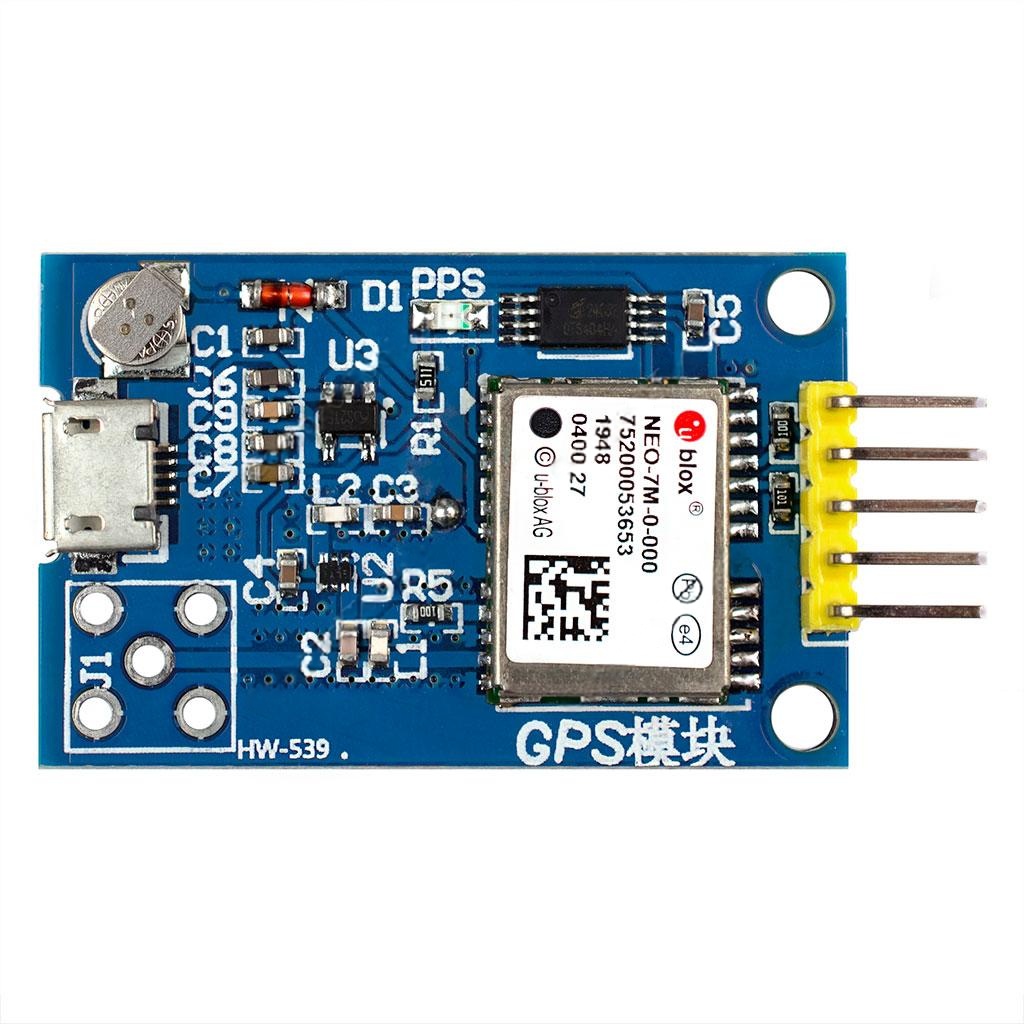
NEO-7M GPS